

“Oftentimes rural places are cast from a deficit perspective, they’re portrayed as places where people leave. That can be pretty harmful for students that are growing up in these places. Local history has a real power to draw students in, to help them feel civically engaged and empowered.”
–Rory Dunn
On This Episode
Joey Brewer sits down with Dr. Ariel Cornett and Rory Dunn to explore how local and rural history can transform classrooms. From oral history projects to place-based inquiry, this conversation uncovers powerful ways to reimagine social studies education and center community voices–especially in rural schools.
What You’ll Learn in this Episode
- Why local and rural history matters in K–12 education
- How rural identity is often marginalized in national curricula
- Strategies for designing place-based inquiry and student-driven projects
- How oral history empowers students to connect with the past and their communities
- Ways AI can support (and complicate) public history and historical thinking
- How to engage students in difficult or emotionally complex local histories
- Advice for rural teachers and students navigating today’s challenges in public ed
“As a student, you may not always feel like your voice matters, but it does. Your lived experience is valuable and worth sharing. You are a change maker.”
–Dr. Ariel Cornett’s advice for rural students
Questions for Further Discussion
- What local or community stories do young people know (or need to know)?
- How is rural identity reflected (or erased) in your school’s curriculum?
- What are the benefits and risks of using AI in social studies education?
- How can oral histories help students develop empathy and communication skills?
- What does it mean to “build a community” as a teacher?
- How can rural educators collaborate and stay connected beyond their zip code?
About Rory Dunn

Rory Dunn is a Ph.D. student at Virginia Commonwealth University whose work explores the intersection of rural identity, civic engagement, and historical inquiry in social studies education. A native of King George, Virginia, Rory is passionate about oral history as a tool for empowering student voice and reimagining how local history shapes classroom instruction. He currently supports pre-service social studies teachers at Randolph-Macon College and VCU in developing their historical thinking practices. Rory has led oral history projects in Virginia communities, including investigations into school closures in Prince Edward County and the legacy of the North Barton Heights neighborhood in Richmond. When he’s not immersed in history, you might find him rock climbing or restoring vintage lava lamps. You can reach Rory at rorysdunn@gmail.com.
About Dr. Ariel Cornett
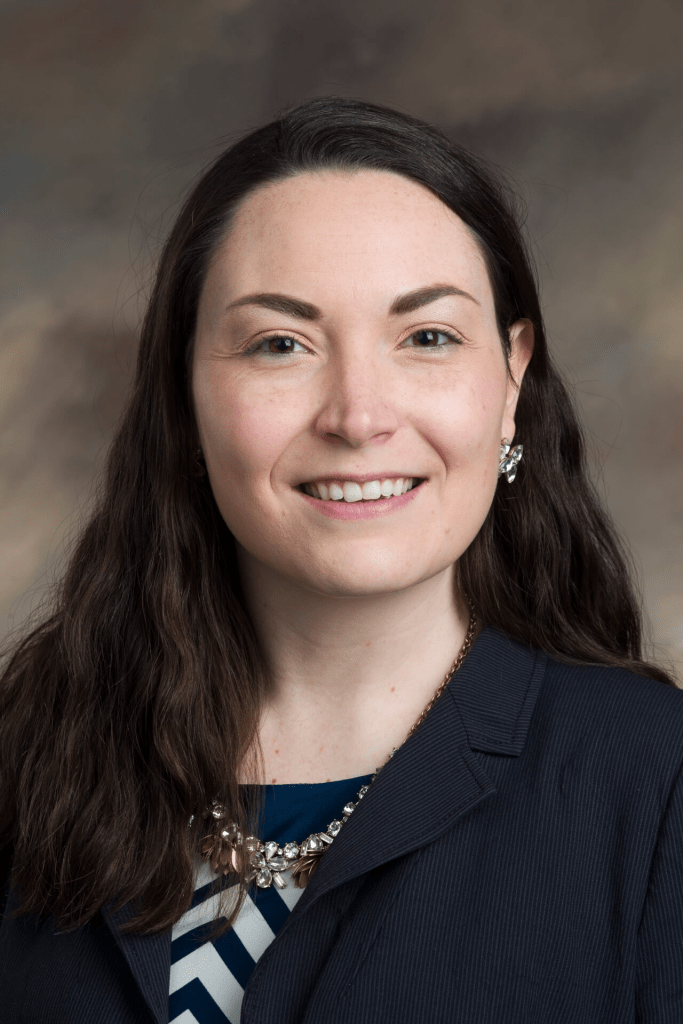
Dr. Ariel Cornett is an Assistant Professor of Elementary Social Studies Education at Georgia Southern University, where she teaches both undergraduate and graduate-level courses focused on social studies methods. Originally from Big Stone Gap, Virginia, Ariel brings a deep commitment to place-based teaching and learning, helping educators and students connect with local narratives and diverse community experiences. Her research emphasizes how storytelling rooted in place can empower students to value their own histories and engage in civic life starting in their own backyards.
A former elementary school teacher, Dr. Cornett earned her Ph.D. in Curriculum and Instruction from the University of Virginia. She has published in several leading journals and contributed to the Hollywood or History? book series, exploring film as a tool for inquiry-based studies instruction. Her work has been recognized through numerous grants and the Jack Miller Award for Service from Georgia Southern’s College of Education.
When she’s not teaching or presenting at national conferences like NCSS and AERA, Ariel enjoys thrift shopping and visiting every Georgia State Park and U.S. National Park she can. You can reach her at kcornett@georgiasouthern.edu.
Resources from Our Conversation
- Inquiry Design Model (IDM)
- AI and Social Studies Education (Teachers College Press, 2025)
- The Rural Experience in America (NCHE project website)
- Oral History Resources (UCLA Library)
- Family History Sample Outline – Guided Questions to Structure your own Oral History Project
- Humy.ai
- Teaching Social Studies in the Peach State: In what ways does the entertainment industry impact Georgia?
- Teaching Social Studies in the Peach State: How Can an Oyster Reveal the Stories of a Place?
- Teaching Social Studies in the Peach State: How does exploration benefit and/or harm different groups of people?
- Breaking the Silence: Asian American History in Georgia – In what ways have Asian Americans contributed to my state?
 The Forgottonia Project