History of all 16 Counties: #1 Adams County

ADAMS COUNTY

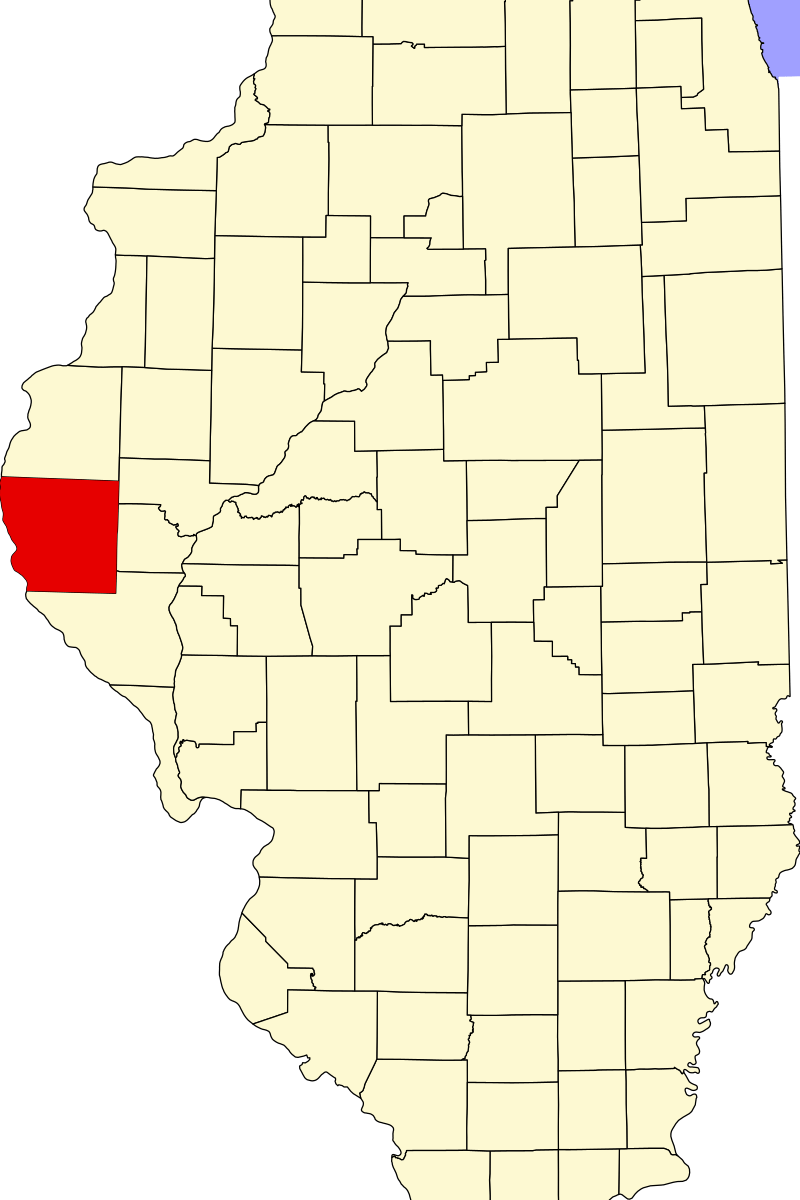
Map of Illinois highlighting Adams County

Population: 65,737

Overview:
Adams County is the westernmost county in Illinois and one of the most populated in the Forgottonia region. It was named after John Quincy Adams, the 6th President of the United States. The county features a portion of the Great River National Wildlife Refuge.

Key Cities

Quincy

  • Population: Around 39,463
  • Known as the “Gem City,” Quincy was once the second-largest city in Illinois (1870). It is rich in history, hosting the 6th Lincoln-Douglas debate and serving as the temporary home of Confederate General George Pickett in his youth.
  • Notable landmarks include the Villa Kathrine (a Moroccan-style mansion) and several sites on the National Register of Historic Places.
  • Quincy is home to Quincy University, a private Catholic liberal arts college, and is known for its historical neighborhoods and vibrant arts community.
  • In 2010, Forbes ranked Quincy as one of the best small cities to raise a family.

Camp Point

  • A smaller community known for its charming downtown and historical significance in local agriculture. It serves as a hub for nearby rural areas and continues to maintain its rich community-focused traditions.

Key Landmarks

  1. Great River National Wildlife Refuge
    • A haven for migratory birds and wildlife along the Mississippi River, offering opportunities for birdwatching, hiking, and conservation education.
  2. Villa Kathrine
    • A Mediterranean-style mansion overlooking the Mississippi River, now serving as a tourist center.
  3. All Wars Museum
    • Located at the Illinois Veterans’ Home, this museum offers a comprehensive history of military service.

Notable Figures

  • John Wood: The 12th Governor of Illinois and a prominent early settler who helped shape Quincy’s development.
  • Mary Astor: An Academy Award-winning actress born in Quincy, remembered for her role in The Maltese Falcon.

Fun Facts

  • Quincy’s historic neighborhoods feature some of the best-preserved 19th-century architecture in the Midwest.
  • The county has a rich history of abolitionist activity and was a significant site for the Underground Railroad.
  • The area’s German heritage is celebrated annually with events like GermanFest.

Resources to Learn More

Leave a comment