

“Title IX wasn’t just about athletics, it was about education. At that time, we had only a few female leaders. We needed a level playing field, everyone needed a fair shake.”
Robbi Ball
On This Episode
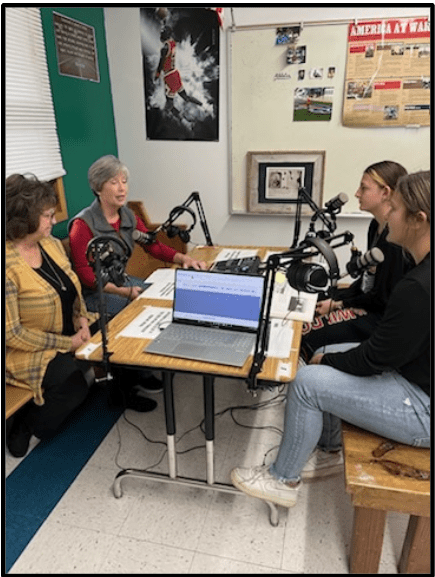
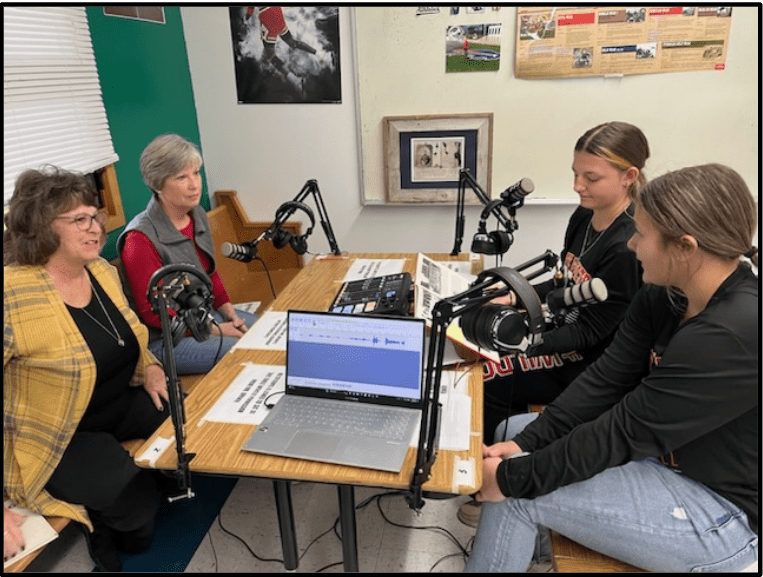
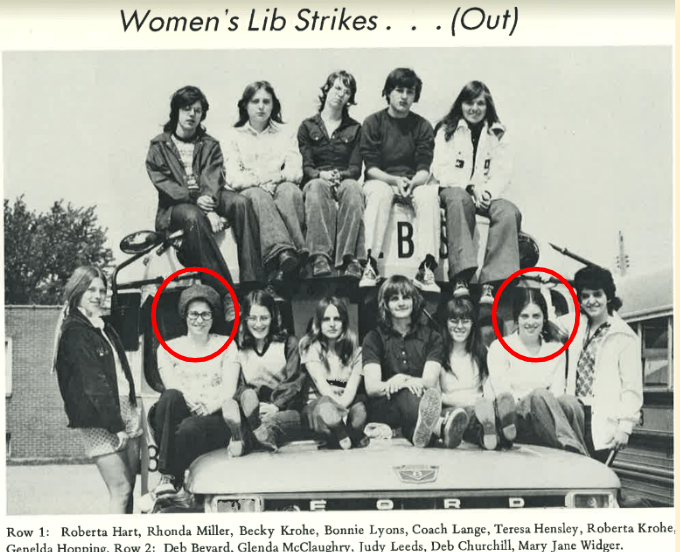
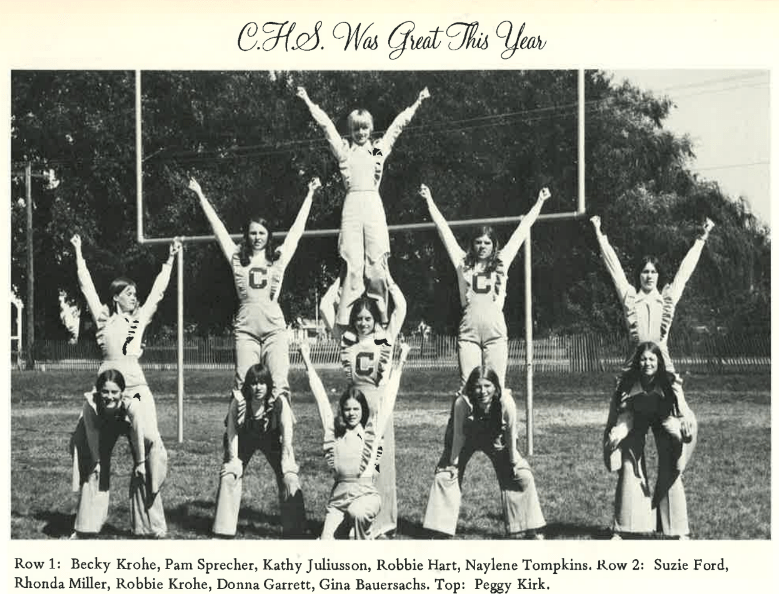
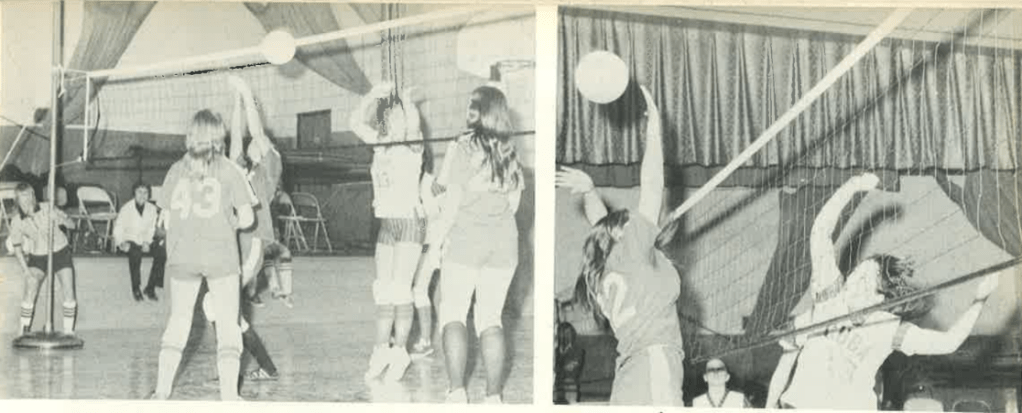
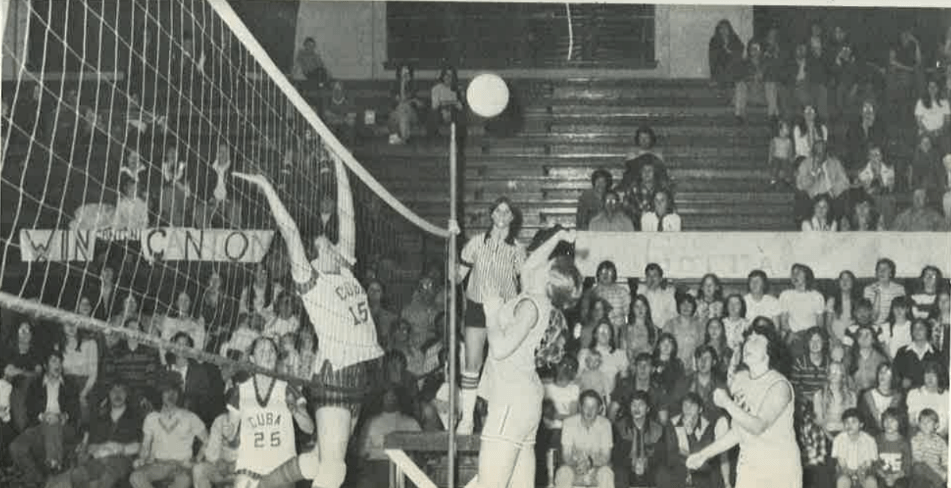
Title IX was signed into law in 1972 by President Richard Nixon. When compliance with the law became mandatory in 1978, there were already 6 times more girls participating in high school sports compared to 1970. On this episode, CHS student athletes Kayleigh Harr (class of 2024), Macy Eaton (class of 2027) and Kacie White (class of 2027) explore how this legislation impacted women’s sports in our community. They interview Rhonda Garret and Robbi Ball, class of ’74, who were the first to participate in high school sports at Cuba High School following the passage of Title IX. Robbie and Rhonda share what it was like to be pioneers in women’s athletics at a small rural school, where opportunities for female athletes were once nonexistent.
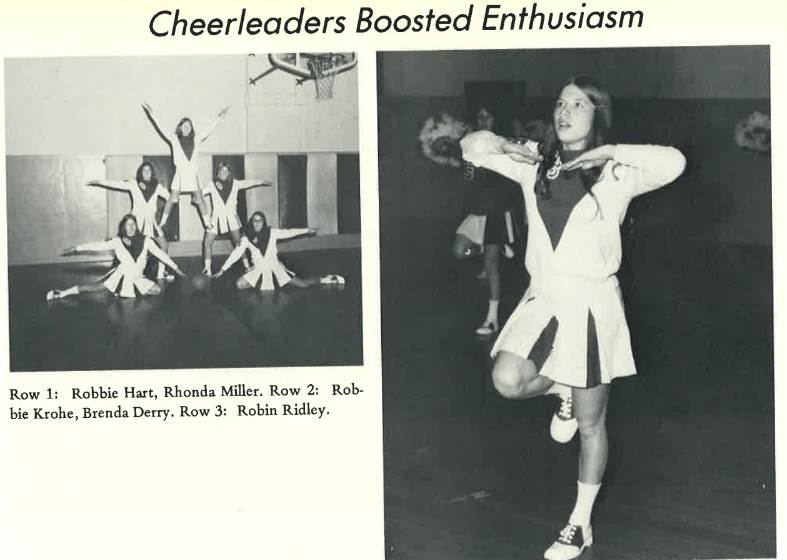
The conversation reveals not only the challenges they faced, but also the overwhelming support from their community, coaches, and teammates that helped them succeed. Rhonda and Robbi share memories of their days on the softball, volleyball, and cheerleading teams and reflect on the lasting impact that Title IX had on education and opportunities for women.
Listen to learn more about their journey and the lessons they have for today’s female athletes, as well as how these early moments shaped the future of women’s sports in rural Illinois.
Essential Questions
- How did Title IX impact not just athletics, but education for girls and women overall?
- What specific challenges did Rhonda and Robbie encounter, both on and off the field?
- How did the community and school administrators support female athletes in the early days of Title IX?
- How have women’s sports evolved since the 1970s, and what improvements or challenges remain today?
The 1973-74 Season



The 1974-75 Season





“We just had to; it was in our blood.”
Rhonda Garrett, when asked what inspired her to go out for sports
About the Project
Our ORAL HISTORY of FORGOTTONIA series is part of the NCHE Rural Experience in America grant in partnership with the Western IL Museum, and the Western IL University Archives. In 2021, the National Council for History Education (NCHE) recruited teachers nationwide to participate in free and open professional development that occurred asynchronously and synchronously online, focusing on rural history and historical inquiry using Library of Congress sources. Teachers traveled to Norman, Oklahoma to collaborate with a community partner selected from their hometown to create a public history project.
These community-based, service-learning public history projects enable students to investigate their local and regional histories deeply and to connect their own histories to the larger human experience. A key purpose of this project is to link rural communities and their histories to national narratives and primary source collections, and the targeted focus of this proposal provides an avenue for such purposeful connections.
Our project, The Oral History of Forgottonia, is one of several throughout the country featured by the NCHE. To learn about other projects featured by this grant, check out other posts on our webpage.
 The Forgottonia Project